

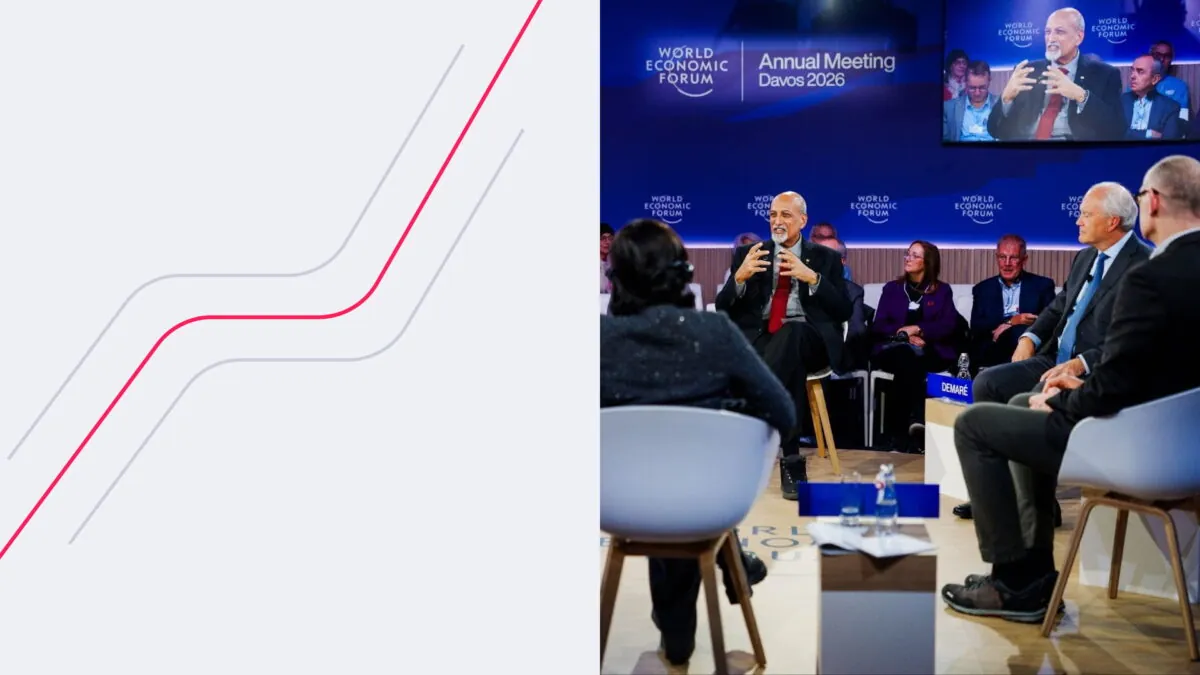
Every year, the World Economic Forum in Davos sets the global economic agenda. It’s where capital meets power.
S-PRO’s Chief Strategy Officer, Tal Yampolsky, was there this year to identify the structural shifts moving the market – specifically those happening inside the AI House Davos (the AI Village). With 25 years of experience in both finance and technology, Tal attended these sessions to map out the new benchmarks for technical dominance in an increasingly AI-centric economy.
What he found is simple:
We are done with experiments. We are now building the backbone of the global economy.
Tal identified 3 realities that define this new market:
1. AI is emerging as strategic infrastructure
Across discussions with policymakers, investors, and operators, AI was increasingly treated the way we once treated energy, telecom, or finance: as a foundational layer of national and economic capacity.
In a session led by Scott Voss of HarbourVest, it was clearly demonstrated how this shift is already reflected in capital markets. Leading AI companies now carry mega-valuations even relative to their most recent private rounds. With OpenAI discussed at approximately USD 500bn and Anthropic around USD 350bn, the message was unambiguous.
AI is being priced as long-term infrastructure with systemic relevance. It is no longer viewed through the lens of traditional software.
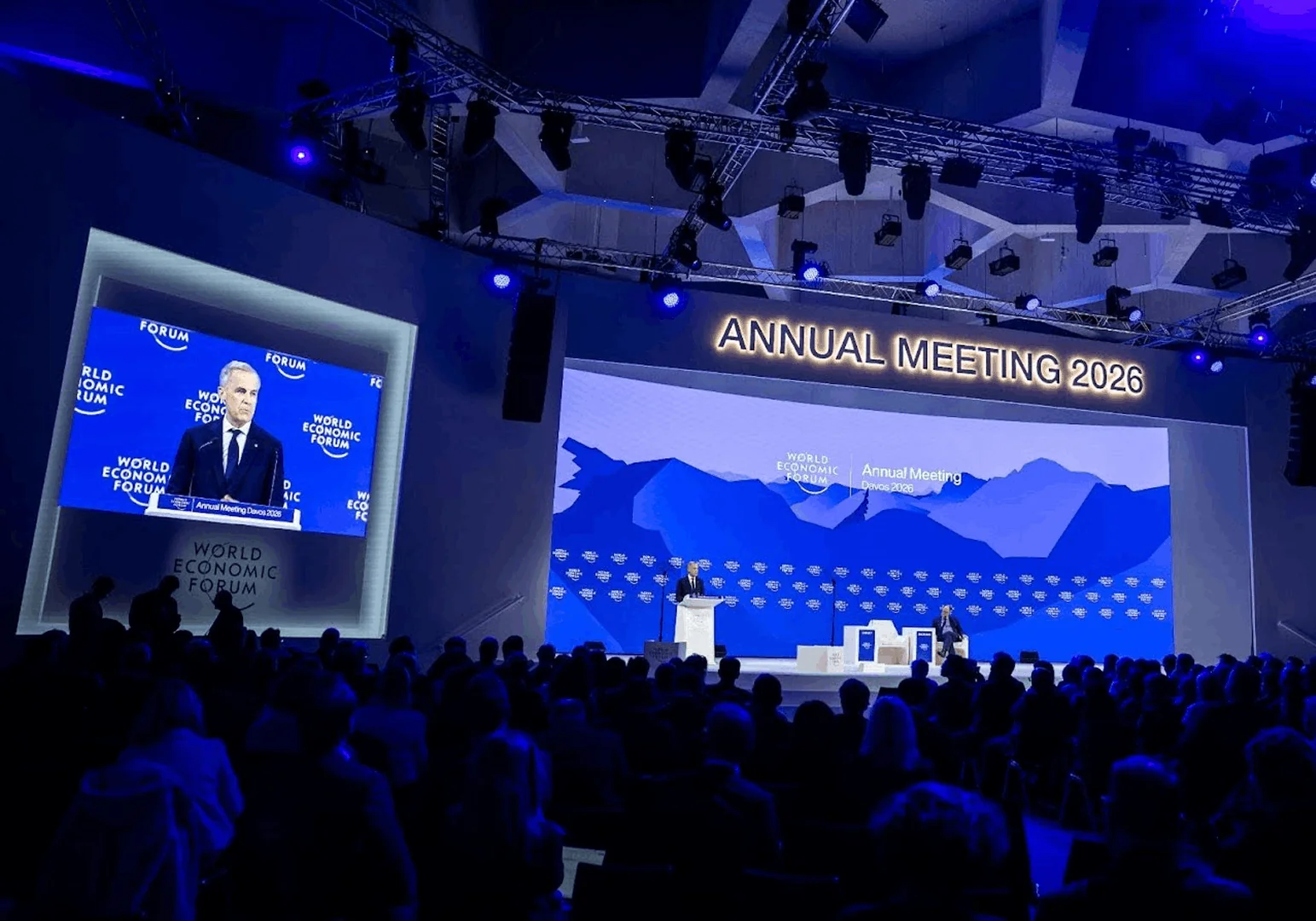
2. From principles to coordination: the international governance effort
A key moment was the address by Alain Berset, outlining the work underway to establish an international framework for AI grounded in human rights, democracy, and the rule of law.
The Council of Europe’s framework convention reflects a serious attempt to move beyond abstract ethics toward shared principles, accountability, and risk management across the AI lifecycle. This includes transparency, oversight, and safeguards for fundamental rights.
The content was striking. However, the acknowledgment that fragmented regulation will lag far behind real-world deployment without cross-border coordination was equally important.
3. A strategic policy shift: AI, power, and economic dominance
Josef Marbacher, Chief Economist at Corum Asset Management, dug into this theme. He outlined a major shift in how the United States defines its global role.
The new doctrine prioritizes economic and technological power over traditional ideas of sovereignty. AI is now central to national strength. The latest U.S. National Security Strategy makes this clear: technological leadership is the key to economic resilience, military capability, and geopolitical influence.
The conclusion is simple. Access to advanced AI systems isn’t optional anymore – it is the baseline for global relevance.
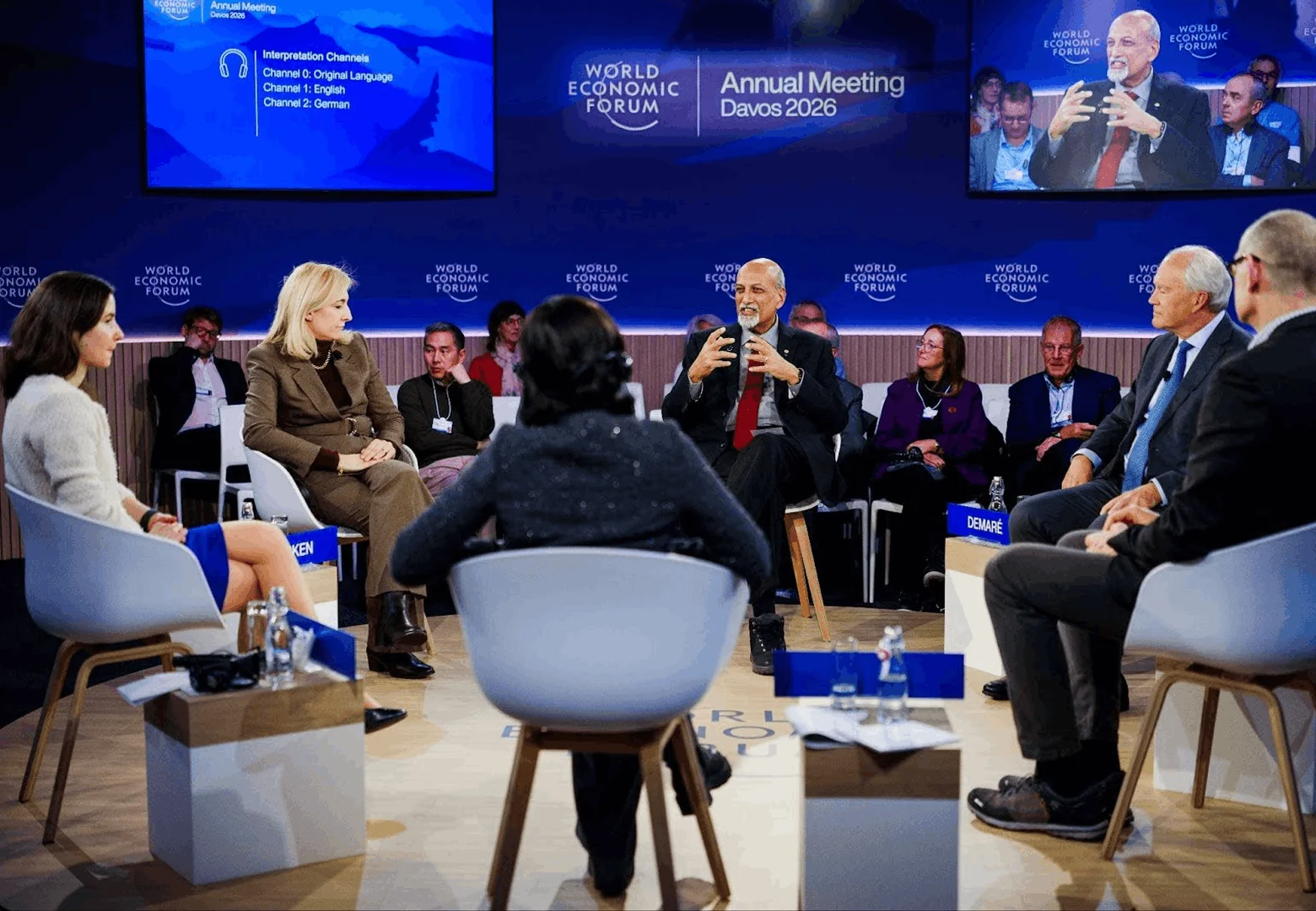
The hard work ahead
One unresolved issue kept coming up in Davos: the operational gap is getting wider. We know AI has the power to drive productivity and change how we build companies. But the reality is that most governments and large parts of the private sector simply aren’t ready to use it.
They lack the data, the governance, and the talent. These capabilities are not evenly distributed. If we don’t fix this foundation, AI won’t solve inequality – it will just make the current divide worse.
AI strategy is now just economic policy and national security by another name. The time for “ambitious visions” is over. The market now belongs to the builders – the ones who can turn experiments into reliable infrastructure. Davos 2026 confirmed S-PRO is exactly where we need to be: bridging the gap between global shifts and practical engineering.
Subscribe


Thank you!
Get ready! You will receive handpicked content right to your inbox.