Legacy CRM couldn’t keep up with Maxima’s Workflows
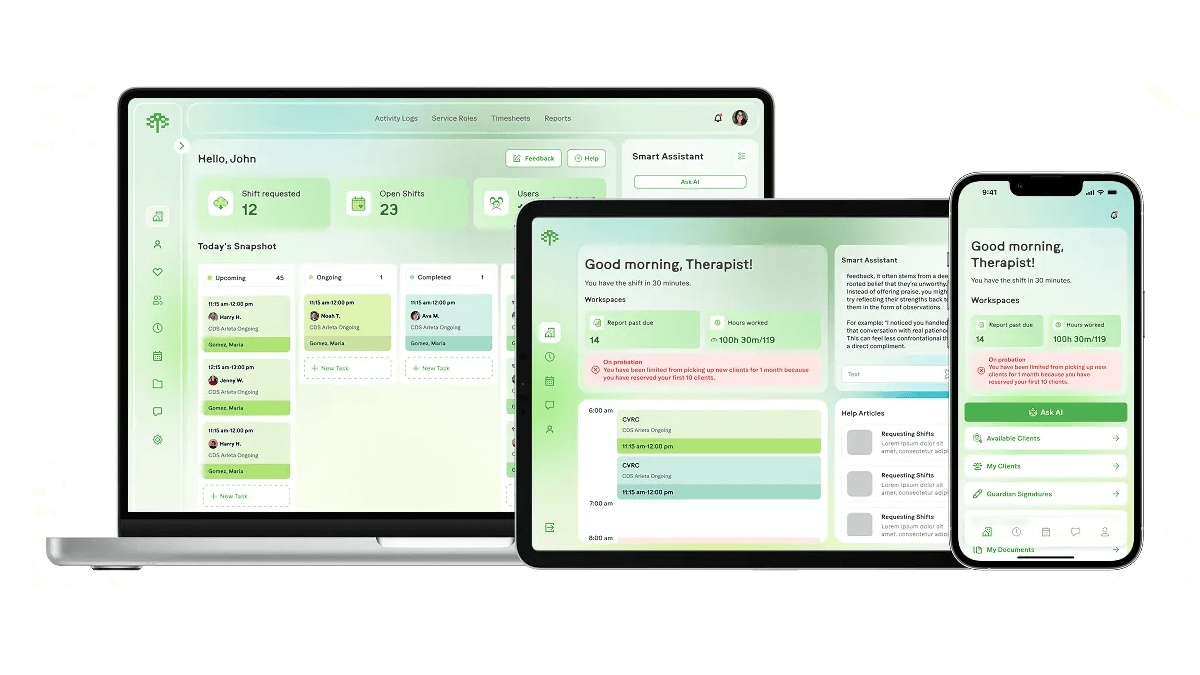
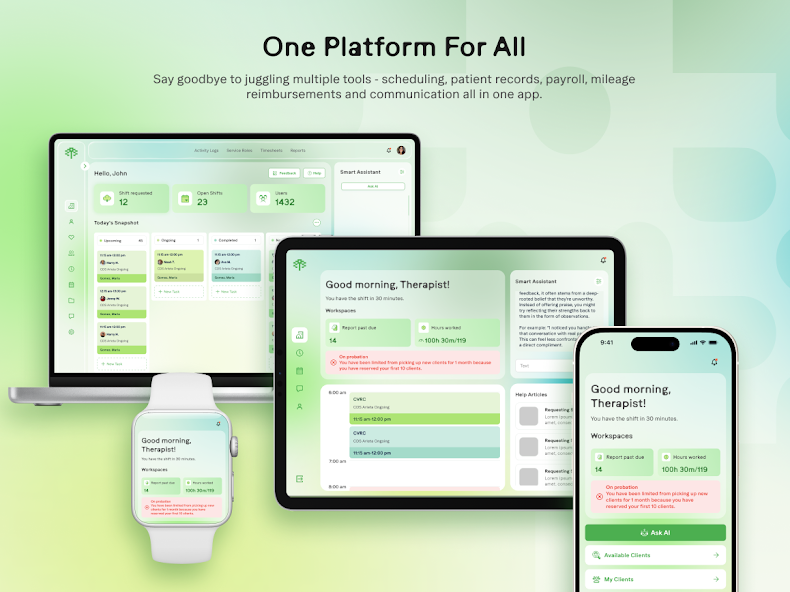
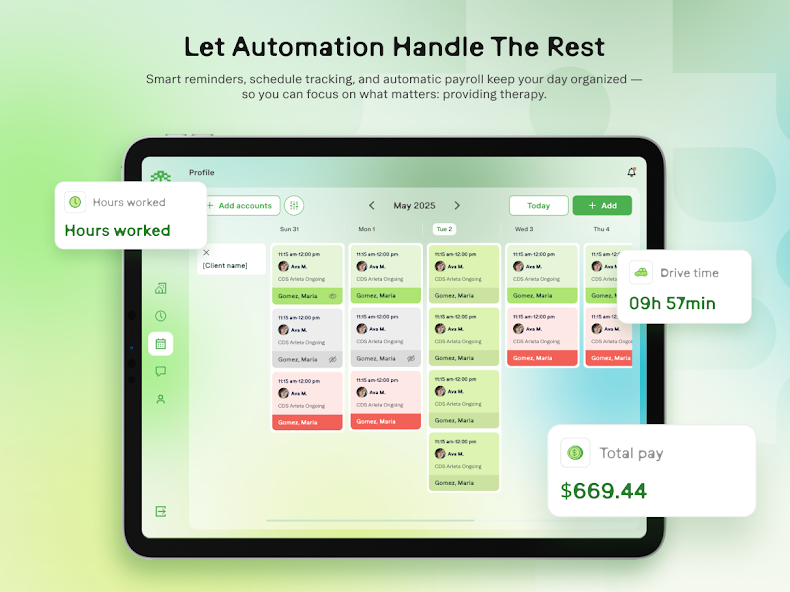
Maxima’s therapists work with children, guardians, regional centers, and insurance-related processes. Most visits happen in homes, so therapists need mobile access, location support, fast check-ins, and a simple way to see matching clients, schedule sessions, add notes after each session. Admins need to process referrals, manage services, check reports, track hours, prepare payroll, and watch operational metrics.
But Maxima’s old CRM didn’t support its advanced workflows. It didn’t let them create the custom metrics and data fields to generate the specialized reports for high-level oversight.
$1,000/therapist fee had no proportional value
Maxima’s previous CRM acted as a financial anchor, charging approximately $1,000 per therapist annually while offering no proportional value in terms of efficiency – no way to modify data models to track specific clinical metrics for strategic decisions.
The “empty hours” and client matching problem
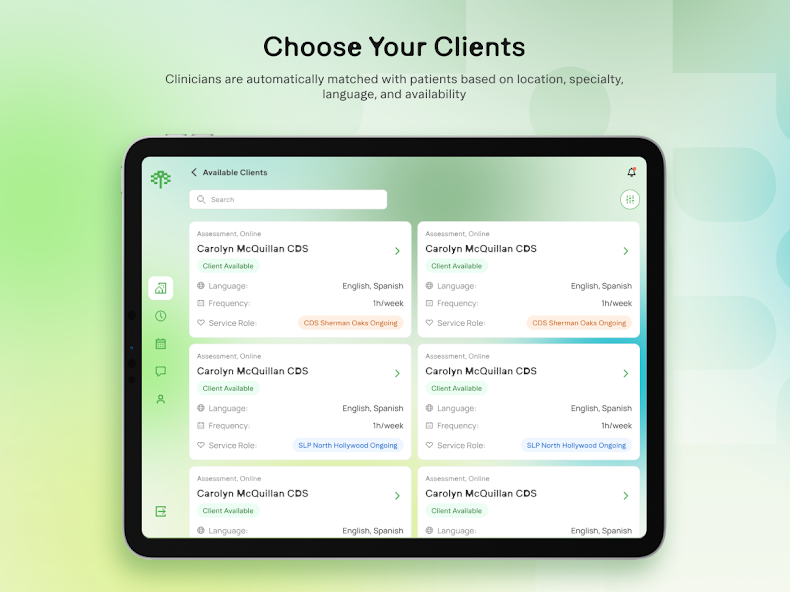
Financial loss was accelerating due to poor clinician-client matching. When therapists had empty hours, the clinic lost revenue, and families waited longer for care. So the platform had to match clients with therapists by specialty, location, address, and language.
Another problem in this context was logistical gaps that also drained revenue. Every hour a therapist spent in Los Angeles traffic or unbooked due to language mismatches cancellation rates reduced billable time.
Compliance requirements
The product had to support personal and medical data, referral documents, claim workflows, audit trails, and long-term data storage. S-PRO had to work with HIPAA- & CCPA-related requirements, including action logging, soft delete logic, and strict 7-year data retention rules. This complex compliance required close collaboration with a specialized compliance consultant.
Hard year-end delivery deadline to avoid costly CRM renewal
Maxima required the MVP to be fully operational before the start of the new year to avoid being locked into another expensive annual payment cycle with their previous CRM provider. Thus, the tech team had to move fast, make hard decisions, and deliver enough value before the client had to renew the old CRM for another year.
The SaaS version had to preserve what already worked
When the product became Therappy, the challenge was to replicate Maxima functionality to make it usable for other clinics. So S-PRO has to rebuild the architecture around a multi-tenant model, where each clinic could have its own account, users, therapists, clients, and settings.